MOBILE MASSAGE SERVICES

Do you find it difficult to find the time to book in for massage in Sydney?
Does the prospect of driving to a clinic stop you from making a booking?
Would you like to stay relaxed after you get off the massage table?
Maybe you need to consider the advantages of an in home massage Sydney
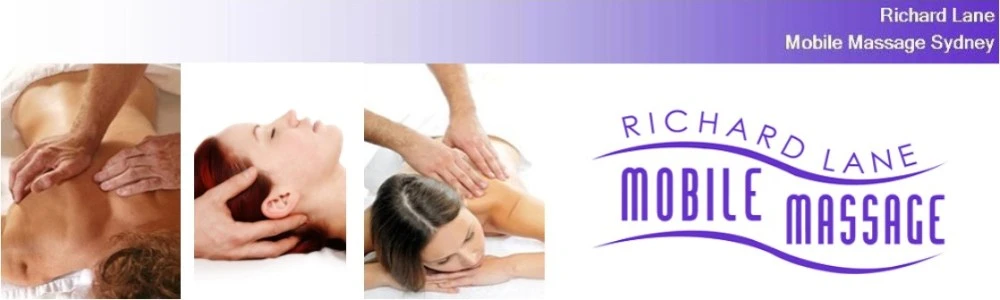
Richard Lane is a professional and accredited Sydney mobile massage therapist and has been providing remedial, deep tissue, sports, relaxation and pregnancy massage to homes and hotels in the Inner West, CBD or Eastern Suburbs since 2005. He is available for in home massage Sydney 7 days a week, including evening appointments.
My Guarantee - If you are in any way not completely satisfied with a mobile massage you receive from me then there is no charge.
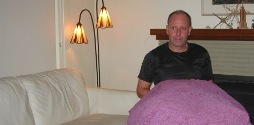
Richard's Availability
Monday 20 May - During day/evening at various times
Tuesday 21 May - Morning and 2.30-5pm
Wednesday 22 May - During day/evening at various times
Thursday 23 May - During day
Friday 24 May - 9am and after 2.30pm
Why Richard for Your Sydney Mobile Massage?
• Available for evening and weekend massage Sydney appointments.
• Real-time online massage bookings for Sydney's Inner West
including same day availability/bookings - ultimate bliss.
• Skilled, qualified and experienced Sydney male massage therapist.
• Qualified since 2001
• Quality Mobile Massage Near Me
• Health fund accredited for remedial massage with most major health funds.
(Please note that unfortunately most health funds do not recognise massage at home Sydney for health fund rebate)
• Sydney male massage therapist for women and men.
• 100% money back guarantee if you are not entirely satisfied with your massage.
• Genuine deep tissue massage and sports massage.
Massage Services Available
• Remedial Massage
• Sport Massage
• Deep Tissue
• Pregnancy Massage
• Swedish/Relaxation
Areas Serviced
• Inner West including Balmain, Five Dock, Rozelle, Leichhardt, Concord, Drummoyne, Glebe, Strathfield, Sydney Olympic Park etc
• Eastern Suburbs including Bondi, Coogee, Paddington, Double Bay, Vaucluse, etc
• Ryde, Parramatta and surrounding areas
• Some Lower North Shore suburbs such as North Sydney, Gladesville, Hunters Hill, etc
• Chatswood, Macquarie Park and surrounding areas during day and after 7.30pm
• Sydney City which includes therapeutic male massage services to Sydney hotels
Advantages of In Home Massage Sydney - Complete Bliss
Great massage is a great massage regardless of whether it is a clinic, a day spa or an at home massage Sydney.
If you are thinking about booking in for an appointment then the number one priority should probably always be about the skills, the training and the ability of the therapist to provide you with the bodywork that is right for you. Companies such as Blys Massage may offer therapists available at short notice but are they confident enough in the quality of their therapists to offer an unconditional guarantee? The location/venue of the session is important but most of us would not be too happy having a substandard massage even if the location was perfect.
However, all else being equal, there are so many advantages of having the therapist come to you for a massage near me. Probably the most important are convenience, time efficiency and the fact that you can soothe out in your own home immediately without the hassle of travelling home in a 'post-massage relaxed stupor'.
Cost is another consideration and whilst you make think that having a mobile service may be too expensive to justify, Richard's prices are similar to those you would pay for seeing an equivalent massage Sydney therapist in a clinic and when you throw in the cost of petrol and the hassle of driving/parking, then the 'true' cost of an appointment can be less. In addition, unlike Sydney mobile massage companies such as Blys Massage (Getblys) there are no surcharges for evening/weekend appointments.
Finally, Richard is available seven days a week including evenings so there is no longer any need to struggle to find a suitable clinic that is open at a time that suits you so that you can receive the blissful her massage you deserve. You can choose an appointment time that works for you - without stress. Book and have in home massage therapy today.
For more information about the benefits of having a mobile massage then please check out this article.

Copyright © 2024 www.richardlanemassage.com.au All rights reserved.